How Long Does a Desentupidora in Perus Take? A Practitioner’s Routine
Before I start any job in Perus, I need three things ready: clear access to the affected drain or inspection box, a rough timeline of when the problem started, and someone on site who can authorize work on the property. With those in hand, a standard call-out usually runs 60 to 120 minutes, while severe main-line blockages can stretch to half a day. If you are searching for a desentupidora em Perus São Paulo SP, the honest answer is that time depends far more on what is stuck and where than on the neighborhood itself.
Perus sits in the northwest of São Paulo, a district of mixed residential streets, older houses and busy commercial corridors along the main avenues. That mix shapes the work. A kitchen sink in a house near the Perus railway station behaves nothing like a restaurant grease trap on a commercial street, and I plan the visit differently for each.
What changes the clock before the technician arrives
Most people assume the drive is the slow part. In practice, the preparation on your side matters more. When I arrive and the area is already cleared, I can begin diagnostics immediately. When I have to move furniture, ask neighbors for access, or wait for a building manager, the clock keeps running without any work being done.
Access and parking
Perus has narrow residential lanes and some streets where parking is tight during business hours. Knowing where the truck can stop saves ten to fifteen minutes. If your building has a service entrance or a side gate, mention it when you book. For a desentupidora Perus call-out, that small detail often decides whether the job starts on time.
Who is authorized to approve
In rented houses and condominiums, I need someone who can approve the service and sign off afterward. If the owner is not present, a written message confirming authorization is enough. Without it, I can inspect but usually cannot proceed with hydrojetting or excavation.
My numbered routine from arrival to handover
This is the sequence I follow on almost every call in the district. It is not a rigid script, but the order keeps the work predictable and helps the customer understand what is happening and why.
- Interview and visual inspection. I ask where the water backs up, when it started, and whether other fixtures are affected. Then I look at the inspection box, the sink trap and the floor drains. This usually narrows the blockage to a branch line or the main line.
- Confirm the pipe route. Older houses in Perus sometimes have informal extensions added over the years. I trace the route before inserting any equipment, because pushing a cable into the wrong branch can damage a connection.
- Choose the method. A manual cable or an electric auger handles most branch blockages. Grease, roots and scale need hydrojetting at controlled pressure. If the line is collapsed, I stop and explain the repair options instead of forcing it.
- Clear and test. After clearing, I run water through every fixture connected to that line. A drain that flows but gurgles is not finished; it usually means air is trapped or the blockage has only been pushed aside.
- Clean the area and document. I rinse the floor, bag any debris and photograph the inspection box before and after. The photos are useful for landlords, condominium managers and future maintenance.
For a straightforward kitchen or bathroom blockage, steps one through five often fit inside ninety minutes. Main-line work with heavy grease or roots can take three to five hours, and a collapsed pipe may require a return visit.
Which method fits which blockage
The method is the single biggest factor in how long a job takes. Choosing the right one at the start avoids the common mistake of trying a cable first and then switching to hydrojetting after an hour of wasted effort.
Manual and electric cables
Cables are best for soft blockages close to the fixture: soap residue, hair, paper and food scraps. They are fast and low-risk in older pipes. They are poor at removing grease that has coated the pipe wall, because they punch a hole rather than clean the surface.
Hydrojetting
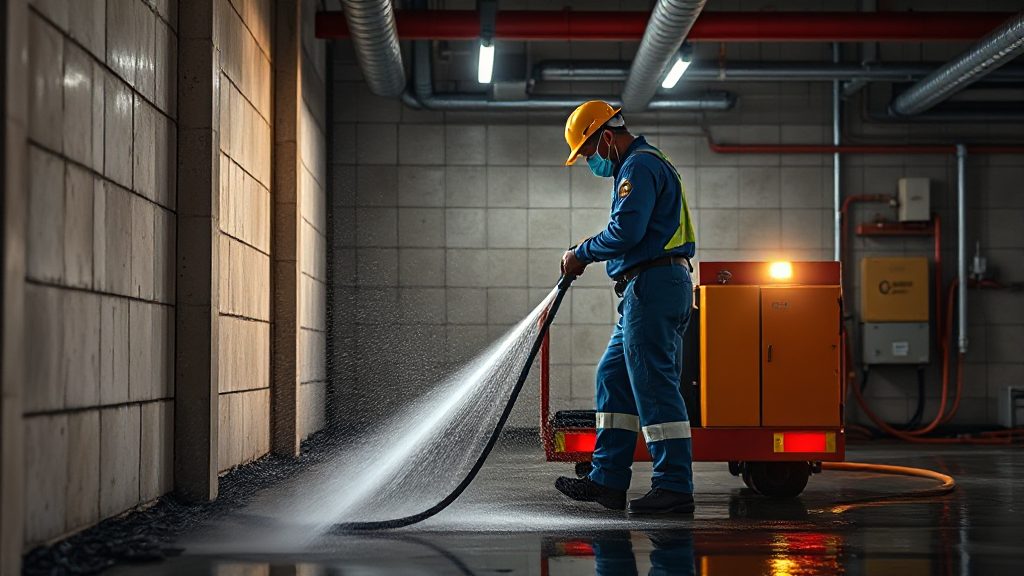
High-pressure water scours the full circumference of the pipe. It is the right choice for grease-heavy kitchen lines, restaurant drains and main lines with scale. A desentupidora Perus São Paulo SP team should confirm pipe condition before using high pressure, since very old or already cracked lines can be damaged.
Septic tank and grease trap cleaning
When the blockage is actually a full tank or trap, no amount of cable work will fix it. Pumping and cleaning take longer because they involve access, suction equipment and proper disposal. This is common in older properties in the district that are not connected to the main sewer.
| Method | Typical duration | Best for |
|---|---|---|
| Manual or electric cable | 30 to 90 minutes | Hair, paper, soft clogs near fixtures |
| Hydrojetting | 1 to 3 hours | Grease, scale, roots in main lines |
| Tank or trap cleaning | 2 to 5 hours | Full septic tanks, restaurant grease traps |
What a realistic visit costs and what changes the price
Price follows the same logic as time. A simple branch-line clearance is the lowest tier. Hydrojetting and tank cleaning sit higher because they need specialized equipment and disposal. Emergency night or weekend calls usually carry an additional fee, which should be stated before the technician leaves the base.
The most common surprise cost is a return visit. If the first attempt clears the symptom but not the cause, the customer pays twice. That is why I test every connected fixture before packing up. Another frequent extra is access work: breaking a small section of floor or wall to reach a buried inspection box. A reputable team explains this before starting, not after.
Prevention is cheaper than any of it. A simple screen in the kitchen sink, avoiding flushing wipes, and an annual check on older lines reduce the chance of repeat calls. For commercial kitchens, a scheduled grease trap cleaning is almost always less expensive than an emergency shutdown.
Common mistakes I see on Perus call-outs
Most repeat visits trace back to a handful of avoidable errors. Recognizing them early saves both time and money.
- Pouring chemicals first. Caustic products can clear a small clog but often damage older pipes and create a hazardous situation for the technician who arrives later.
- Ignoring the inspection box. If the box is full, the problem is downstream, not in the sink. Clearing the sink alone will not help.
- Using a cable on a grease line. It opens a channel that closes again within weeks. Hydrojetting is the durable fix.
- Delaying a small leak. A slow leak under a sink or near a floor drain often signals a partial blockage that will become an emergency later.
I also see buildings where every unit has its own story about the drain. A short conversation with the neighbor above or below often reveals whether the issue is shared, which changes who should authorize the work.
When to call for emergency service instead of waiting
Sewage backing up into a floor drain, water rising in a shower when the toilet flushes, or a strong smell in a ground-floor unit are signs to call immediately. Waiting usually makes the mess larger and the repair more expensive. A 24-hour service exists precisely for these moments.
For slow drains that still flow, a scheduled visit during the day is fine. For anything that has already overflowed, treat it as urgent. Turn off water at the nearest valve if you can, keep children and pets away from the area, and avoid flushing again until the line is checked.
The checklist I leave with customers is short: know where your inspection box is, keep the number of a reliable desentupidora Perus service on hand, never pour chemicals as a first response, and schedule a preventive check if your property is more than twenty years old. That routine turns a stressful emergency into a manageable appointment.
Frequently asked questions
How quickly can a desentupidora arrive in Perus?
Arrival time depends on traffic and the current queue. Emergency calls are prioritized, and a technician can usually confirm an estimated window when you call. Having access ready shortens the total visit.
Can the blockage be fixed in one visit?
Most branch-line and grease blockages are resolved in one visit. Collapsed pipes, severe root intrusion and full septic tanks may require a follow-up or a repair referral.
Do I need to be home during the service?
Yes, or someone authorized must be present. The technician needs approval to proceed and to confirm the result before leaving.
Is hydrojetting safe for older pipes?
It can be, but only after the pipe condition is checked. Very old or already damaged lines may need a gentler method or repair first.

Leave a Reply